Unveiling the Power of Glutathione: Understanding Its Role in Skin Whitening
Feb 21,2024 | GLUTIONE
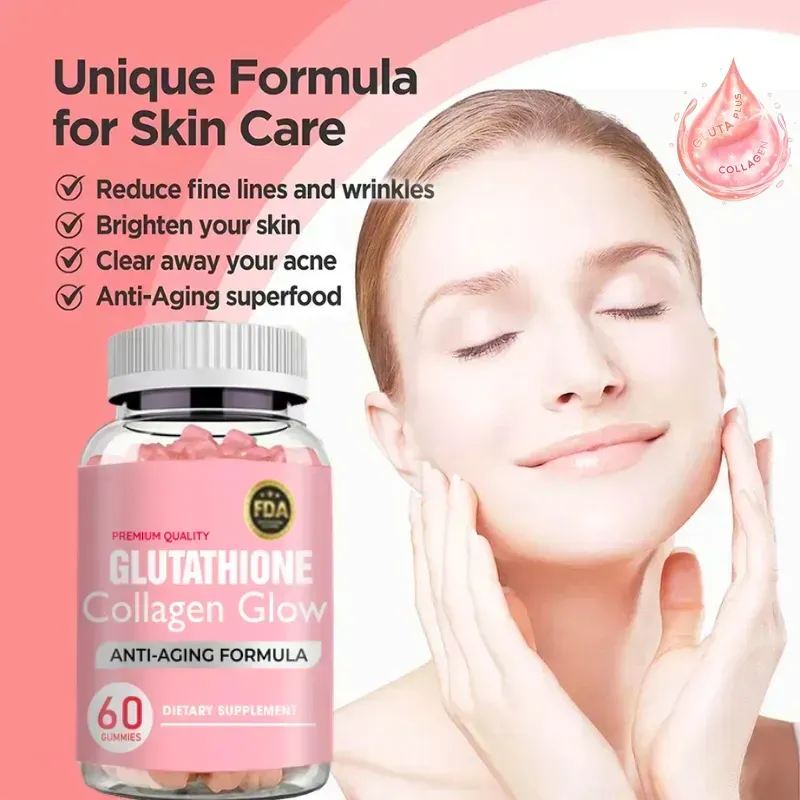
In the quest for radiant and flawless skin, there's a myriad of skincare products flooding the market, each boasting transformative effects. Among these, one ingredient has garnered significant attention for its potential in skin whitening: glutathione collagen. While primarily recognized for its antioxidant properties and detoxification benefits, glutathione's role in achieving a fairer complexion has sparked curiosity and interest. Let's delve deeper into the science behind glutathione's skin whitening function.
Understanding Glutathione: Glutathione is a tripeptide composed of three amino acids: cysteine, glycine, and glutamic acid. Produced naturally in the body, it serves as a potent antioxidant, playing a crucial role in neutralizing free radicals, reducing oxidative stress, and supporting immune function. Beyond its antioxidative properties, recent studies have shed light on another intriguing aspect of glutathione: its ability to influence skin pigmentation.
The Mechanism of Skin Whitening: The skin's pigmentation is determined by the synthesis and distribution of melanin, a pigment produced by melanocytes within the skin. Glutathione's skin-whitening effect is attributed to its ability to inhibit the enzyme tyrosinase, which is essential for melanin production. By interfering with this enzymatic process, glutathione helps reduce the formation and accumulation of melanin, resulting in a lighter complexion.
Furthermore, glutathione's role extends beyond melanin inhibition. It also promotes the conversion of eumelanin (dark pigment) to pheomelanin (light pigment), further contributing to skin brightening.
Efficacy and Safety: While glutathione's potential in skin whitening is promising, it's essential to approach its use with caution. Research on its efficacy and safety in this context is still evolving, and individual responses may vary. Factors such as dosage, duration of use, and formulation can influence outcomes.
Moreover, oral supplementation, intravenous injections, and topical applications are among the various administration methods explored. Each method carries its own set of risks and considerations, underscoring the importance of consulting with a healthcare professional before incorporating glutathione into your skincare regimen.
Complementary Approach to Skincare: It's crucial to recognize that achieving healthy, radiant skin goes beyond external interventions. While glutathione may offer potential benefits, maintaining a holistic approach to skincare is paramount. This includes adopting a balanced diet rich in antioxidants, staying hydrated, protecting the skin from UV damage, and practicing good skincare habits.
Furthermore, embracing diversity and celebrating individual skin tones fosters a culture of inclusivity and self-acceptance. While skin whitening may be a personal choice for some, it's essential to prioritize skin health and overall well-being above societal beauty standards.
Conclusion: Glutathione's role in skin whitening represents a fascinating intersection of science and skincare. While ongoing research continues to unravel its mechanisms and potential benefits, it's essential to approach its use judiciously and with realistic expectations. Embracing diversity and promoting skin health should remain at the forefront of our skincare journey. As we navigate the complexities of beauty standards, let's cultivate a mindset that celebrates and embraces the beauty of individuality, in all its diverse shades.
Comment
.jpg?w=800&h=800)